What Is Mold Remediation?

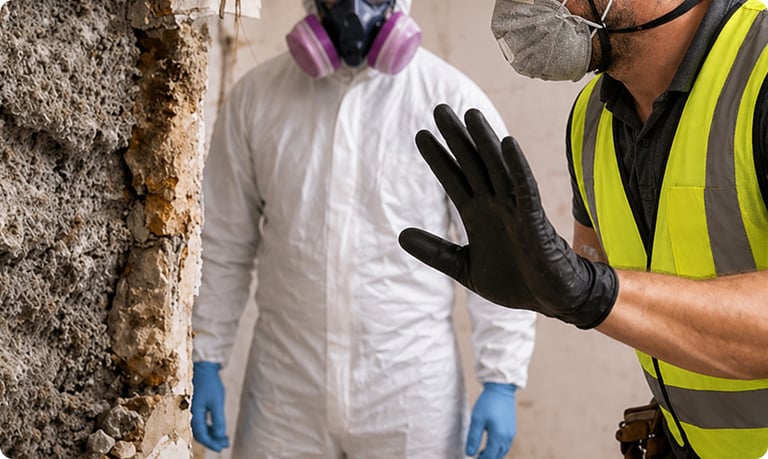
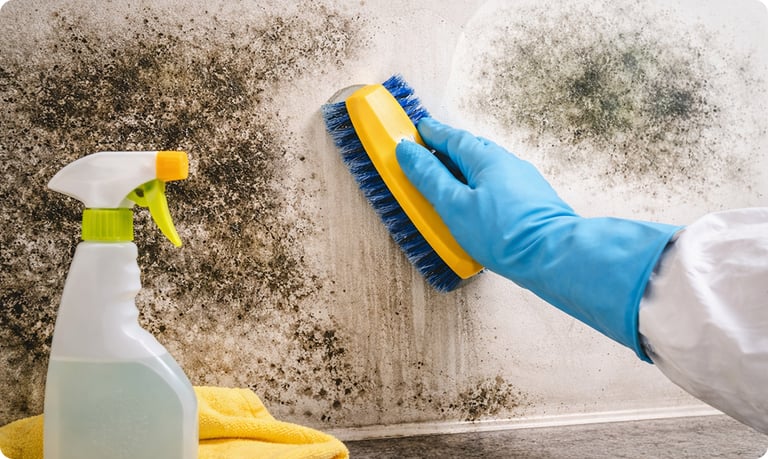
Mold remediation addresses visible mold growth, water damage, or contaminated materials inside homes and commercial properties. The process involves identifying affected areas, removing damaged materials, and treating surfaces to help restore a safer and cleaner environment. This service is important for property owners, tenants, and contractors preparing for renovation, repairs, or occupancy after water intrusion or moisture issues.

When Mold Remediation Is Needed

Mold remediation is recommended when you notice visible mold, musty odors, or after water damage from leaks, flooding, or plumbing failures. It is also necessary before renovation or demolition projects to ensure safe conditions for workers and occupants.

How the Service Works

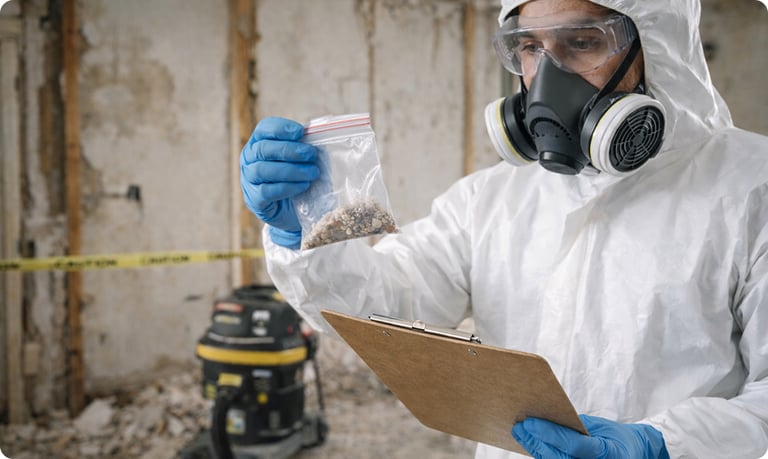
Our team inspects the affected area, contains the workspace to prevent mold spread, removes contaminated materials, and treats remaining surfaces. We follow industry standards to help return your property to a cleaner, more usable condition.

Benefits of Professional Mold Remediation

Professional mold remediation helps reduce health risks, limits property damage, and prepares your space for safe use or further restoration work. Our experience with residential and commercial projects in the Portland area ensures the job is handled efficiently and in line with local requirements.

Frequently Asked Questions

Q. What are common signs that I might need mold remediation in my property?
Visible mold growth, stained walls or ceilings, musty odors, and areas with water damage or high humidity are typical indicators that mold remediation may be needed. Mold often appears after leaks or prolonged moisture exposure.
Q. How is the extent of mold damage evaluated during the remediation process?
A trained team will inspect affected areas to identify visible mold, assess moisture sources, and determine how far the contamination has spread. This evaluation helps decide which materials need treatment or removal.
Q. Will contaminated building materials need to be removed during mold remediation?
In many cases, materials like drywall, insulation, or carpeting that are heavily affected by mold or water damage must be removed to fully address the problem. The team will discuss which areas require removal based on the inspection.
Q. What steps are taken to contain and clean up mold during remediation?
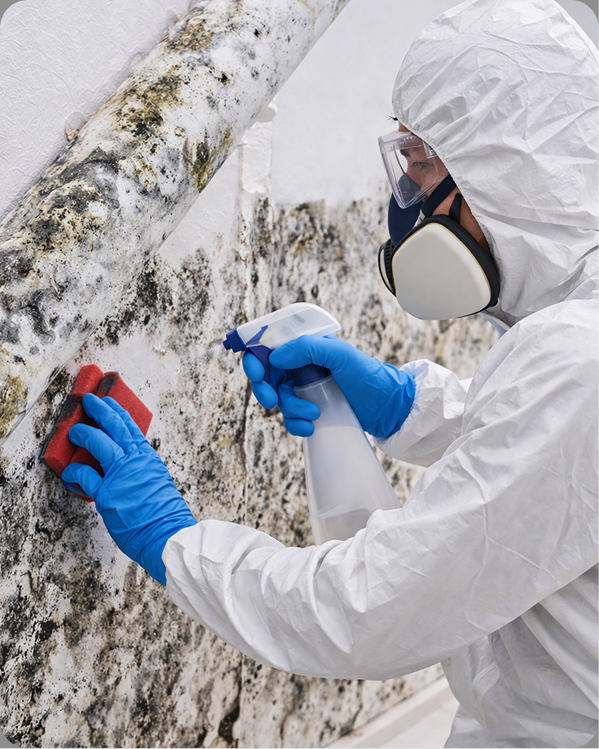
Remediation typically involves isolating affected areas with barriers, using air filtration to reduce airborne spores, removing contaminated materials, and cleaning or treating remaining surfaces. Proper containment helps prevent mold from spreading to other parts of the building.
Q. What should occupants expect while mold remediation work is being performed?
During remediation, certain rooms or areas may be temporarily inaccessible while work is underway. The process aims to remove mold, address moisture issues, and restore indoor conditions so the space can be safely used again.

Contact Us

Request Service or Ask a Question

Or send us a message

    How To Get Started

    What to Expect After You Reach Out

    Use the form to tell us about your hazardous material abatement, testing, or demolition needs. You can also call or email us directly if you prefer.

    After we receive your request, our team will review your information and contact you to discuss your project and outline the next steps.

    0 +

    Completed Projects

    0 %

    Client Satisfaction

    Recent News and Resources

    Educational Articles and Updates

    Scroll to Top