What Is Lead Abatement and When Is It Needed?

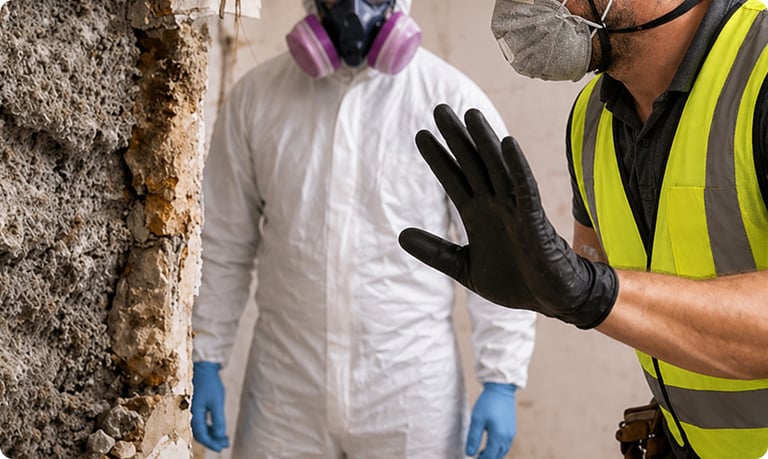
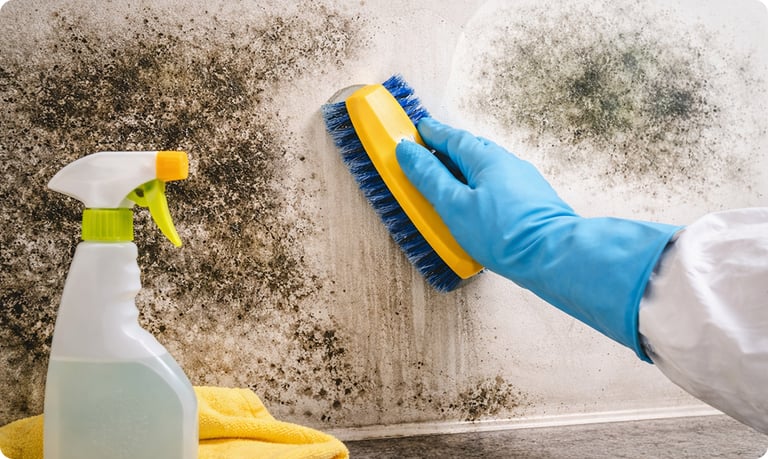
Lead abatement is the process of removing or stabilizing lead-based paint and related hazards from homes and commercial buildings. This service is often needed when paint is deteriorating, during remodeling projects, or when testing shows unsafe lead levels. Professional abatement helps protect occupants, workers, and property owners by reducing exposure risks and making spaces safer for renovation, repair, or daily use.

How Lead Abatement Works

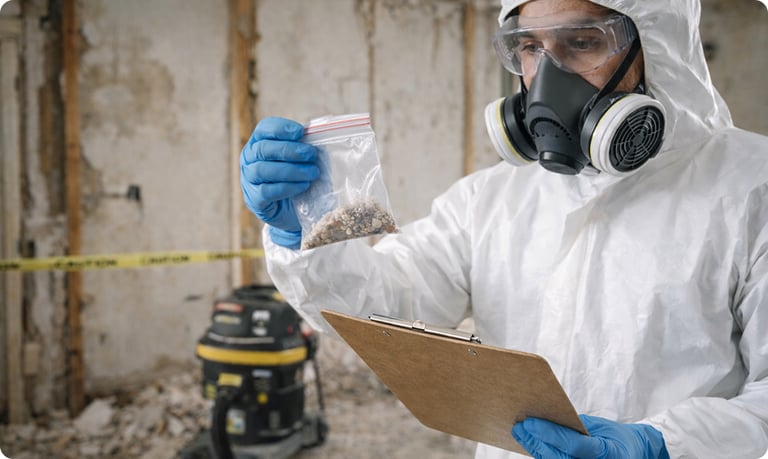
Our team assesses the property, identifies areas with lead hazards, and develops a safe removal or stabilization plan. Work areas are contained to prevent dust and debris from spreading. We use approved methods to remove, encapsulate, or seal lead-painted surfaces, then clean and verify the area meets safety standards.

When to Consider Lead Abatement

Lead abatement is recommended if you are planning renovations in an older home, have peeling or damaged paint, or need to meet safety requirements for occupancy or property transactions. It is also important for commercial spaces undergoing upgrades or compliance-driven projects.

Benefits of Professional Lead Abatement

Professional lead abatement reduces health risks, helps you comply with local regulations, and supports a safer environment for families, tenants, and workers. Our licensed team provides same-day estimates and serves both residential and commercial properties throughout the Portland area.

Frequently Asked Questions

Q. How do I know if my property has a lead hazard that needs abatement?
Lead hazards are often found in older homes or buildings with deteriorating paint, damaged surfaces, or during planned renovations. Professional lead testing can identify if lead is present and whether conditions require correction. If you notice peeling paint or suspect lead-based materials, it is important to arrange an assessment before starting any work.
Q. When is lead abatement more urgent or necessary?
Lead abatement becomes more urgent when paint is chipping, flaking, or dust is present, especially in areas used by children or during renovation projects. Visible surface damage or planned work that will disturb painted surfaces increases the risk of exposure and should be addressed promptly.
Q. What steps are taken to contain work areas during lead abatement?
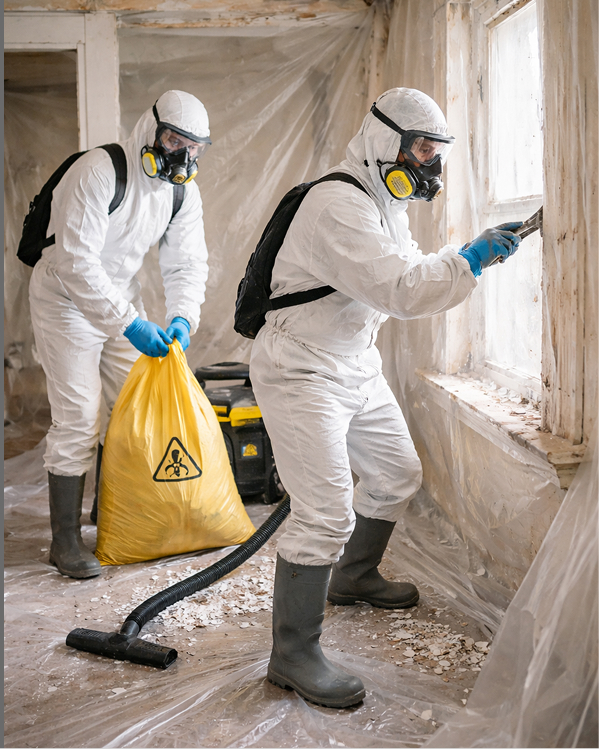
Work areas are carefully sealed off using barriers and specialized equipment to prevent dust and debris from spreading. Negative air machines and protective coverings are used to help ensure that lead particles remain contained until cleanup is complete.
Q. How should I prepare my home or building before lead abatement begins?
Before lead abatement, it is important to clear personal items and furniture from the affected area if possible. The abatement team will provide specific instructions based on the scope of work, and may recommend temporary relocation of occupants during the process for safety.
Q. What can I expect after lead abatement is completed?
After abatement, the area will be thoroughly cleaned and tested to verify that lead dust and debris have been removed. Once the space passes clearance testing, it is safe for normal use or for renovation work to continue.

Contact Us

Request Service or Ask a Question

Or send us a message

    How To Get Started

    What to Expect After You Reach Out

    Use the form to tell us about your hazardous material abatement, testing, or demolition needs. You can also call or email us directly if you prefer.

    After we receive your request, our team will review your information and contact you to discuss your project and outline the next steps.

    0 +

    Completed Projects

    0 %

    Client Satisfaction

    Recent News and Resources

    Educational Articles and Updates

    Scroll to Top